

There’s a marketing director I heard about recently who was proud of his content output. Twenty blog posts a month. Forty-seven thousand monthly visitors. Impressive numbers.
Then he looked at conversions: 23 leads total. A 0.049% conversion rate.
His competitor published 4 posts a month. Eight thousand visitors. One hundred and twenty-seven leads.
Same industry. Same audience. Four hundred and fifty percent more leads with eighty percent less content.
That gap isn’t a content problem. It’s a systems problem.
And in 2026, it’s the most common mistake I see brands making.
The real reason your content isn’t working#
Most brands confuse content production with content strategy.
They post consistently — Reels, blog posts, LinkedIn updates, newsletters — and wonder why the audience isn’t growing, the leads aren’t coming, and the revenue isn’t moving.
Here’s the uncomfortable truth: publishing content doesn’t build your business. Publishing the right content, to the right people, at the right time, with the right next step does.
The difference between a content calendar and a content system is the difference between busy and effective.
A content calendar tells you what to post.
A content system tells you why each piece exists, who it’s for, what it should make them feel, and exactly where it should take them next.
What a content system actually looks like#
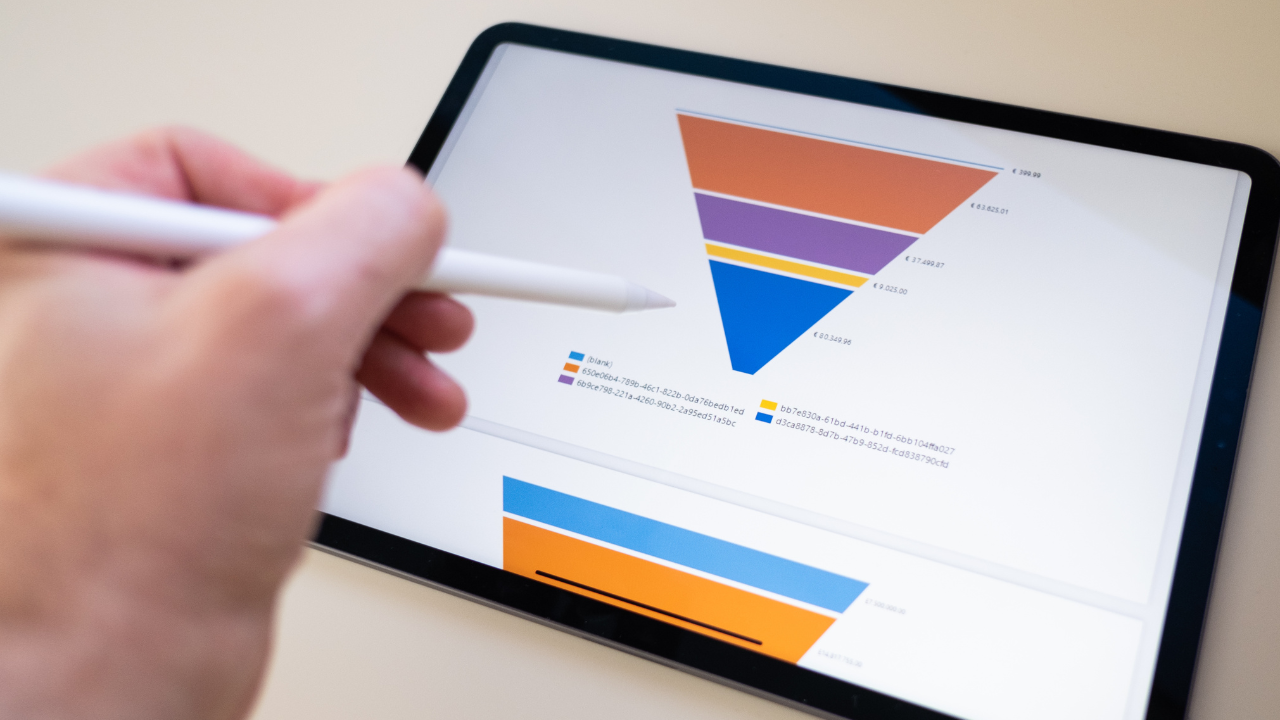
Every piece of content you create should sit inside a funnel. Not a complicated one — just a clear one.
Top of funnel (awareness): Content that finds new people. Short-form video, SEO blog posts, social hooks. The job here is attention and relevance. Make someone stop scrolling and think “this person gets me.”
Middle of funnel (consideration): Content that builds trust. Case studies, behind-the-scenes, detailed how-tos, email sequences. The job here is credibility. Make someone think “this person actually knows what they’re doing.”
Bottom of funnel (decision): Content that converts. Testimonials, offer-specific posts, direct CTAs, booking links. The job here is confidence. Make someone think “I’m ready. Let’s go.”
Most brands only ever make top-of-funnel content. They get followers but not clients. Likes but not leads. Views but not revenue.
The fix is simple: for every three awareness pieces you create, make one consideration piece and one decision piece.
The 5 content strategy mistakes killing your growth in 2026#
1. You’re posting for the algorithm, not for your audience#
If your content strategy starts with “what does Instagram want right now?” you’ve already lost. Algorithms change weekly. Your audience’s problems don’t.
Start with the problem your ideal client is lying awake thinking about at 11pm. Build content around that. The algorithm will follow.
2. You have no content-to-client pathway#
Someone watches your Reel. They like it. They follow you. Then what?
If the answer is “they see more Reels,” you’re building an audience, not a business. Every piece of content needs a next step — even if it’s just “follow for more” early on, it should eventually lead to an email list, a lead magnet, a booking link, or a DM.
Map the journey from stranger to client. Make sure your content moves people along it.
3. You’re creating content, not building authority#
In 2026, Google and AI models reward topical depth — consistent, interconnected content that proves you genuinely own a subject.
One viral post doesn’t make you an authority. Twelve posts on the same topic, each going one level deeper than the last, does.
Pick two or three topics you can own completely. Go deep. Cross-link everything. That’s how you become the person Google — and people — trust.
4. You’re not repurposing systematically#

The most efficient content strategy isn’t creating more — it’s extracting more value from what you’ve already made.
One long-form YouTube video can become:
- 5 short-form clips (Reels, Shorts, TikTok)
- 3 LinkedIn posts
- 1 email newsletter
- 1 blog post
- 10 tweet-sized insights
I used this exact system at Great Grace Miami to generate 3.5M+ organic views without increasing the content creation workload. The video got made once. The system distributed it everywhere.
5. You’re measuring vanity metrics instead of business metrics#

Views are nice. Followers are nice. But neither pays the bills.
The metrics that matter are: email subscribers, booked calls, qualified leads, sales conversations started, and revenue attributed to content.
If you don’t know which piece of content generated your last three clients, you don’t have a content strategy — you have a content habit.
The content system I use with every client#
Here’s the simple framework I apply regardless of industry, platform, or budget:
Step 1 — Define the one person you’re writing for. Not a demographic. A specific person with a specific problem at a specific stage of their journey. Everything gets written for them.
Step 2 — Map the three stages. Awareness → Consideration → Decision. Assign every content format to a stage. Know which bucket each piece lives in before you make it.
Step 3 — Build a distribution system, not just a creation system. Where does each piece go? In what order? What does someone see after they find you on Instagram? After they read your blog? After they join your email list?
Step 4 — Add one conversion touchpoint per week. Not every post needs a hard sell. But every week, at least one piece of content should have a clear, specific CTA — book a call, download the guide, reply to this email.
Step 5 — Review and cut ruthlessly every 90 days. What’s driving leads? Double it. What’s getting engagement but no conversions? Cut it or redirect it. What’s doing nothing? Kill it.
What this looks like in practice#
When I joined Ayoken NFT Marketplace as Growth & Community Lead, they had a great product and almost no audience.
We didn’t just “post content.” We built a system.
Educational content on Twitter and Instagram explained NFTs to newcomers (awareness). AMA sessions and community updates built trust with early adopters (consideration). Launch campaigns and community momentum converted followers into platform users and attracted investor attention (decision).
The result: a community-driven $1.4M pre-seed fundraise.
The content didn’t just build an audience. It built a business case.
Your next step#
If you’re creating content consistently and it’s still not converting — the problem isn’t the content itself. It’s the system around it.
Start with one question: what happens after someone finds you?
If you can’t answer that clearly, that’s where we start.
I offer a free Attention Audit to founders, marketers, and business owners who want a clear picture of what’s holding their content back — and exactly what to fix first. Take it here.
No pitch. No fluff. Just clarity.
Frequently asked questions#
What is a content strategy for small business in 2026? A content strategy is a system for creating, distributing, and converting through content. In 2026 it means mapping every piece of content to a stage of the buyer journey, building topical authority across a focused set of topics, and connecting your content directly to a conversion pathway — not just publishing for visibility.
How often should I post content for my business? Consistency beats frequency every time. One high-quality, strategically placed piece per week outperforms five rushed posts that go nowhere. Start with what you can sustain, build the system first, then increase volume once the system is working.
Why is my content getting views but no leads? Almost always because there’s no clear next step. Views mean your content is relevant — that’s good. But without a pathway from viewer to lead (email list, booking link, lead magnet), you’re building an audience you can’t monetise. Add one clear CTA per week minimum.
What types of content convert best in 2026? Case studies, specific how-to content, and problem-focused posts consistently outperform generic tips and trend content. The more specifically you name your ideal client’s exact problem, the higher the conversion rate — because they feel like you wrote it just for them.
How do I know if my content strategy is working? Track leads and booked calls attributed to content — not just views and followers. Use Google Analytics to see which pages drive the most conversions. If you can’t connect your content to revenue within 90 days, the strategy needs adjusting before you create more.